

Left-Handed vs Right-Handed Kelly: Does It Matter for Resale?
A frequently misunderstood detail that matters far less than buyers often assume.
The left-handed versus right-handed Kelly distinction is a frequently misunderstood detail among buyers, often assumed to carry more significance than it genuinely does. This guide clarifies what the terms mean and their real impact.
This article covers what the terms actually mean, functional impact, resale value impact, and whether you can request a specific handedness.
What the Terms Actually Mean
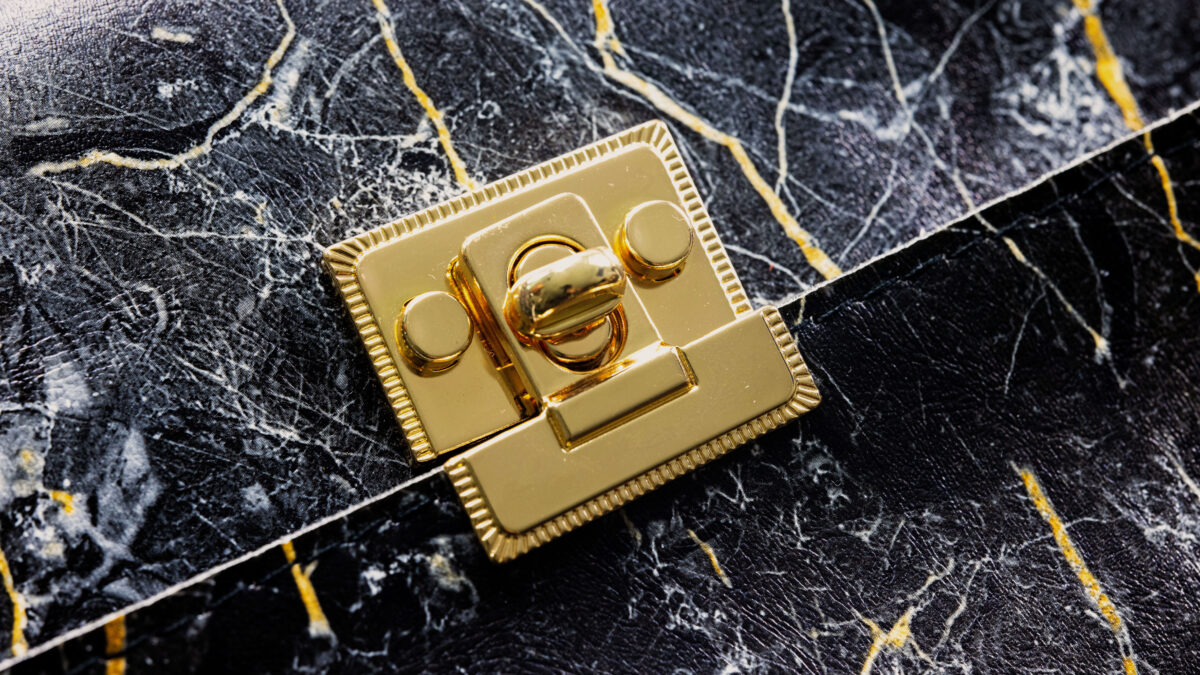
The terms refer to which side the strap buckle and turn-lock sit on when the bag is carried, reflecting the buyer's originally requested handedness preference at time of order. It's essentially a mirrored construction choice rather than a different model or material.
A mirror image, not a meaningfully different bag — yet the terminology alone sparks more buyer anxiety than it deserves.
Functional Impact
The functional difference is genuinely minor for most buyers, mainly affecting which hand feels more natural operating the closure during daily use. Most owners adapt quickly regardless of which configuration they end up with.
Resale Value Impact
Handedness generally has minimal to no meaningful impact on resale value, since most buyers don't have a strong preference and adapt easily to either configuration. Other factors — leather, colour, hardware, and condition — carry far more resale weight.
Don't let handedness be a dealbreaker on an otherwise great piece
If you find a genuinely excellent Kelly with the "wrong" handedness for your preference, don't let this minor detail override a strong overall match on leather, colour, and condition.
Requesting a Specific Handedness
- Buyers can typically request their preferred handedness when placing a special order
- Standard boutique stock may not always offer a choice
- Resale listings will specify handedness, letting buyers choose based on preference
- Neither configuration is considered more standard or more desirable overall
Quick Reference
| Factor | Impact |
|---|---|
| Construction | Mirrored buckle/turn-lock placement |
| Daily function | Minor, adapts quickly |
| Resale value | Minimal to no impact |
| Availability | Requestable on special orders |
A Minor Detail, Not a Major Decision Factor
Handedness genuinely matters less than many buyers assume, both functionally and for resale. Focus your decision-making energy on leather, colour, hardware, and condition instead.
Don't overthink handedness — it's a minor mirrored detail, not a meaningful value driver.
Continue Exploring Leathers and Materials Guide
See the factors that genuinely drive resale value more than handedness.
🔥 Most SearchedA deeper look at the Kelly's construction beyond handedness.
◆ Investment GuideA related look at which details genuinely move resale value.
◆ ComparisonMore on the Kelly's heritage and acquisition considerations.
Frequently Asked Questions
The terms refer to which side the strap buckle and turn-lock sit on when the bag is carried, reflecting the buyer's originally requested handedness preference at time of order.
The functional difference is genuinely minor for most buyers, mainly affecting which hand feels more natural operating the closure during daily use.
Handedness generally has minimal to no meaningful impact on resale value, since most buyers don't have a strong preference and adapt easily to either configuration.
Yes, buyers can typically request their preferred handedness when placing a special order, though standard boutique stock may not always offer a choice.
