
Hermès Bag Humidity Damage: Prevention and Early Warning Signs
Catching humidity issues early is the difference between a quick fix and permanent damage.
Humidity damage is one of the more insidious threats to a stored Hermès bag, since it often develops gradually and can go unnoticed until it's caused genuine harm. Understanding the early signs makes the difference between a quick fix and permanent damage.
This guide explains why humidity matters for leather, the earliest warning signs to watch for, practical prevention steps, and what to do if damage has already begun.
Why Humidity Matters for Leather
Leather is a genuinely organic material, sensitive to both excessive moisture and overly dry conditions. High humidity creates an environment where mold and mildew can develop, while very low humidity can dry and crack leather over time — stable, moderate conditions protect against both extremes.
Leather doesn't announce humidity damage loudly — it whispers, in small spots and faint smells, long before it shouts.
Early Warning Signs
Small discoloured spots, a faint musty smell, or slight leather stiffness are among the earliest signs of humidity-related issues. Catching these signs early and addressing them promptly significantly improves the chances of full recovery compared to waiting until damage becomes visually obvious.
Practical Prevention Steps
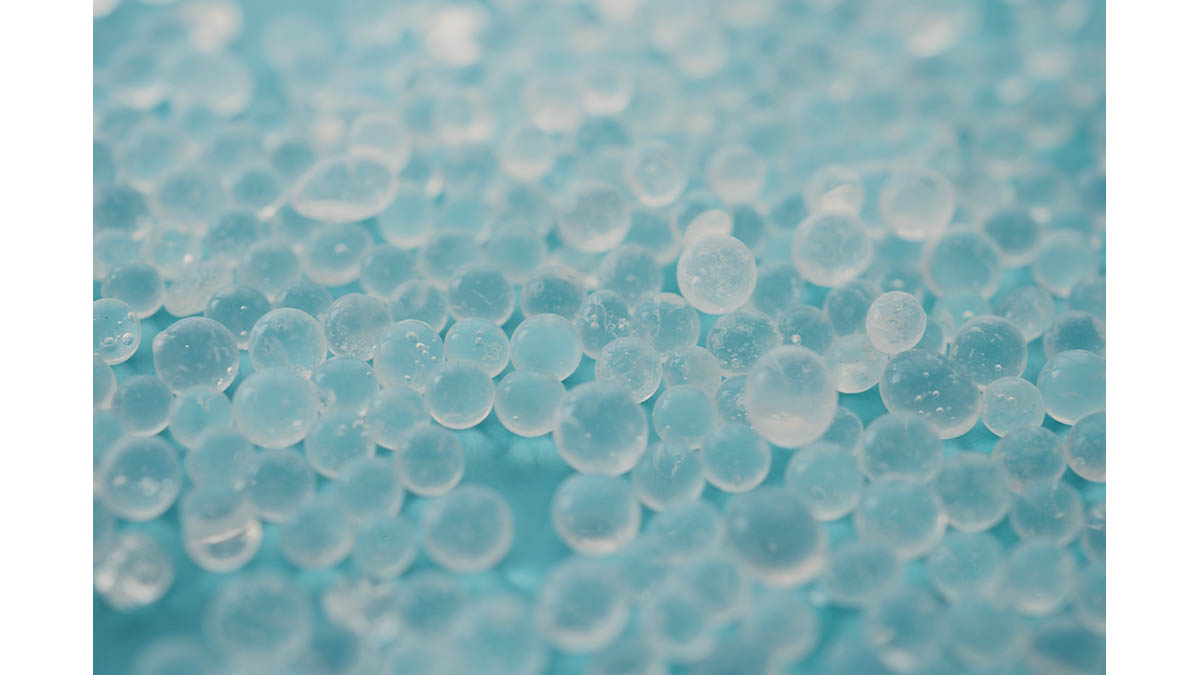
Silica gel packets placed near stored bags help absorb excess ambient moisture. Avoiding storage in basements, bathrooms, or other naturally humid spaces reduces baseline risk significantly. Periodic airing out during storage check-ins, discussed in our long-term storage guide, also helps maintain stable conditions.
Act immediately at the first sign of trouble
If you notice any early warning signs, address them immediately rather than waiting to see if they worsen. Early intervention genuinely improves outcomes for humidity-related leather issues.
If Damage Has Already Occurred
- Early-stage damage can often be professionally treated with good outcomes
- Advanced mold growth or leather warping may cause permanent, irreversible damage
- Consult a professional leather restoration specialist rather than attempting DIY treatment for significant damage
- Document the damage with photos before any treatment for insurance or resale transparency purposes
Warning Signs at a Glance
| Stage | Signs | Recoverability |
|---|---|---|
| Early | Faint smell, slight discoloration | Often fully recoverable |
| Moderate | Visible spots, leather stiffness | Professional treatment often needed |
| Advanced | Mold growth, warping | May be permanent |
Early Detection Is Everything
Humidity damage is genuinely preventable and, in early stages, often reversible. The key is consistent attention — regular checks, stable storage conditions, and immediate action at the first sign of trouble.
Don't wait for obvious damage — a faint smell or small spot is your earliest, most treatable warning.
Continue Exploring Care and Storage Guide
The full storage framework this humidity guidance fits within.
◆ Care GuideAnother product consideration for protecting leather over time.
◆ Care GuideRegular conditioning also helps leather resist humidity-related stress.
◆ Cost ComparisonCondition, including humidity-related wear, factors into resale decisions.
Frequently Asked Questions
Moderate, stable humidity levels are generally safest, since both excessive moisture and overly dry conditions can damage leather over time.
Early mold often appears as small discoloured spots or a faint musty smell, both of which should prompt immediate attention before the issue spreads further.
Early-stage humidity damage can often be professionally treated, but advanced mold growth or leather warping may cause permanent, irreversible damage.
Yes, silica gel packets placed near stored bags can help absorb excess moisture and reduce humidity-related risk in storage environments.
