
How to Check a Hermès Bag's Interior Date Stamp for Signs of Alteration
The interior date stamp is one of the most tampered-with markers on a resale Hermès bag — here is what genuine depth, alignment and wear actually look like, and what alteration leaves behind.
A Hermès bag's interior date stamp is a small, unglamorous detail — a single letter, sometimes inside a shape, pressed into the leather near the interior seam — but it carries outsized weight in resale and authentication conversations. It is also, precisely because buyers know to check it, one of the markers most likely to have been tampered with on a bag that is being misrepresented. Understanding what a genuine, factory-original stamp looks like is the only real defense against a re-stamped or "corrected" interior.
This guide walks through what the date stamp system actually encodes, what happens to the leather at a chemical and structural level when a stamp is genuine versus altered, and how to cross-reference it against the craftsman blind stamp for a fuller picture. For the letter-to-year mapping itself, see our companion piece on reading the Hermès year code.
What the Interior Date Stamp Actually Is
Since the mid-1990s, Hermès has pressed a single letter — usually enclosed in a shape such as a circle, square, or set alone — near an interior seam of most leather bags, encoding the year of manufacture. The exact placement has shifted by decade, which is covered in detail in our visual timeline of interior stamp placement. On most Birkin and Kelly bags produced from the 2000s onward, it sits along the top interior edge near one of the side seams, though exact placement has varied enough by year that placement alone is not a reliable dating tool without the letter itself.
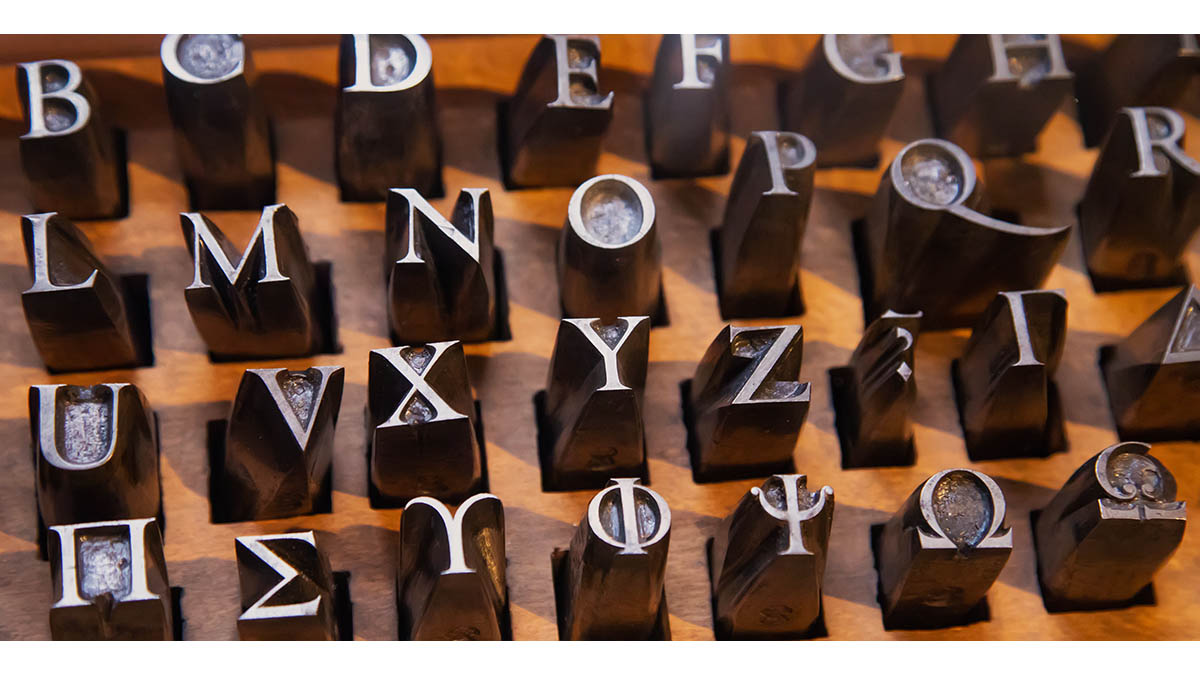
The stamp is applied at the factory using a heated die, at the same production stage as the craftsman's blind stamp, before the leather is fully assembled into the finished bag. This timing matters: a genuine stamp is pressed into leather that has not yet been through years of handling, oils, and flexing, which is why its edges read differently than anything applied after the fact.
What a Genuine, Unaltered Stamp Looks Like
A factory-original date stamp has a handful of consistent physical characteristics, regardless of which year or letter is involved:
- Uniform depth. Every stroke of the letter sits at the same depth into the leather. A loupe or raking light will show a consistent shadow line around the entire character — no stroke reads shallower or deeper than another.
- Clean, slightly rounded edges. The die compresses the leather fibers rather than cutting them, so the edges of the impression are smooth and rounded, not sharp or frayed.
- Surface patina continuity. On an aged bag, the patina and any surface conditioning inside the stamped depression should match the surrounding leather in tone. A stamp that looks "fresher" or lighter than the leather immediately around it is a signal worth investigating further.
- Correct alignment with the seam. Genuine stamps are positioned with a consistent relationship to the nearest stitch line for that production era, not placed arbitrarily.
The single most reliable tell is depth consistency — genuine stamps are pressed in one motion, so no part of the letter can be deeper than another.
Why Sellers Alter Date Stamps
Date stamp alteration on the resale market almost always serves one of two purposes: making a bag appear newer than it is to command a higher price, or obscuring a production year associated with a batch known for a specific hardware or leather issue. Neither motivation requires sophisticated equipment — a skilled leatherworker with the right tools can sand down an existing stamp and re-press a different letter, or in cruder cases, simply re-ink a worn stamp to make it more legible without changing the letter at all (a much lower-risk alteration that still misrepresents the bag's true condition).
It is worth noting that legitimate re-conditioning by Hermès's own spa service does not alter the date stamp. Authorized restoration work is deliberately conservative around any stamp or serial marking, since altering them would compromise the house's own authentication records.
The Physical Signs of Alteration
Where a genuine stamp is uniform, an altered one almost always shows some combination of the following under close inspection:
- Depth inconsistency. If the leather was sanded before re-stamping, the new impression will often sit at an uneven depth compared to what the surrounding leather's compression history would suggest, since sanding removes surface material unevenly.
- Halo texture change. A ring of slightly different leather texture or sheen around the stamp, visible under raking light, usually indicates sanding or buffing prior to re-stamping.
- Ink pooling or bleed. If the letter has been re-inked rather than re-pressed, ink often pools slightly at the base of the impression or bleeds faintly into the surrounding grain — a genuine factory stamp is not typically ink-filled at all on most leathers, so any obvious ink fill is itself a flag.
- Letterform inconsistency. Hermès uses a consistent typeface for these stamps across a given era. A letter that is stylistically slightly off — wrong stroke weight, wrong proportions — suggests a non-factory tool was used.
- Seam disturbance. Because the stamp is applied before final assembly, any evidence that the nearby stitching was removed and redone (irregular stitch hole spacing, slightly different thread tension) alongside an unusually crisp stamp is a strong combined signal.
A Single Sign Is Rarely Enough
Any one of these signs alone can sometimes have an innocent explanation — leather naturally varies, and lighting can distort how a stamp reads in a photo. Treat date stamp concerns as one input among several, not a standalone verdict.
Cross-Referencing Against the Blind Stamp
The date stamp should never be assessed in isolation. Every Hermès bag also carries a craftsman's blind stamp, which identifies the individual artisan who assembled the piece and is applied at the same production stage. Because both marks are pressed during the same manufacturing window, they should show the same relative "freshness" — a date stamp that looks conspicuously newer or cruder than the blind stamp on the same bag is a mismatch worth taking seriously. Our guide to reading craftsman blind stamps covers what a genuine artisan mark looks like in detail, and cross-checking the two together is far more reliable than assessing either alone.
It's also worth checking whether the blind stamp's implied production era is even consistent with the interior placement conventions covered in our stamp placement timeline — a bag whose blind stamp suggests one era but whose date stamp placement matches a different decade's convention warrants closer scrutiny.
A Practical Inspection Routine
- Photograph the stamp under raking light — light angled sharply across the surface rather than straight-on, which reveals depth variation that flat lighting hides.
- Compare depth across every stroke of the letter using a loupe (10–15x magnification is generally sufficient).
- Check the surrounding leather texture for any halo or sheen difference within roughly 5–10mm of the stamp's edge.
- Cross-reference against the blind stamp's apparent condition and era.
- Verify placement against known conventions for the bag's apparent production decade.
- When in doubt, request additional close-up photos from multiple angles before purchase, or have the piece physically inspected by a specialist authentication service.
The Leather Expert's Verdict
The interior date stamp is a genuinely useful authentication input, but only when read correctly and in combination with the blind stamp, construction details, and hardware. Treat depth uniformity as your first and most reliable check, use raking light rather than flat photography whenever possible, and never let a single clean-looking stamp override red flags found elsewhere on the bag. For buyers assembling a full pre-purchase checklist, our broader Authentication Hub brings together every forensic marker — stitching, hardware, stamps, and exotic skin checks — into one reference.
No. Hermès's own restoration and spa services do not alter or re-apply date stamps or serial markings under any circumstances, since doing so would compromise the house's internal production records. Any date stamp that appears to have been reworked was not done by Hermès.
Placement has shifted by decade and varies somewhat by model, but it is most commonly found near an interior top-edge seam. See our visual timeline of interior stamp placement by decade for era-specific detail.
Not necessarily. Natural fading from handling and years of use is normal and does not indicate alteration on its own. The concern is specifically depth inconsistency, halo texture changes, or ink pooling — signs of physical rework rather than ordinary wear.
Most bags from the mid-1990s onward carry one, but smaller leather goods and some earlier vintage pieces may not follow the same convention. Always assess the stamp in the context of the specific model and apparent production era rather than assuming a universal standard.
No single marker should be used in isolation. Cross-reference the date stamp against the craftsman blind stamp, stitching quality, hardware construction, and overall leather behavior. Our Authentication Hub covers the full set of markers to check together.
