
Sellier vs Retourne Kelly: How Structure Changes Leather Behaviour
A material-science analysis of how two construction methods applied to the same bag and the same leather produce fundamentally different patina, wear, and long-term behaviour.
The sellier vs retourne Kelly debate occupies more column inches in Hermès commentary than almost any other topic — yet most accounts stop at aesthetics, describing one as structured and the other as soft without ever explaining why the same leather behaves so differently depending on which construction it inhabits. The answer lies in the mechanics of temper, grain tension, fibril movement, and seam geometry — the material-level factors that the construction method directly controls. Same leather, same artisan, same atelier: different construction, different bag. Understanding that difference precisely is what allows a buyer to choose the right Kelly the first time.
This article examines sellier and retourne construction from the inside out — how each method positions the leather relative to its internal chassis, what that positioning does to the leather's long-term behaviour, and what it means for patina development, corner wear, leather selection, and the bag you will still be carrying in fifteen years.
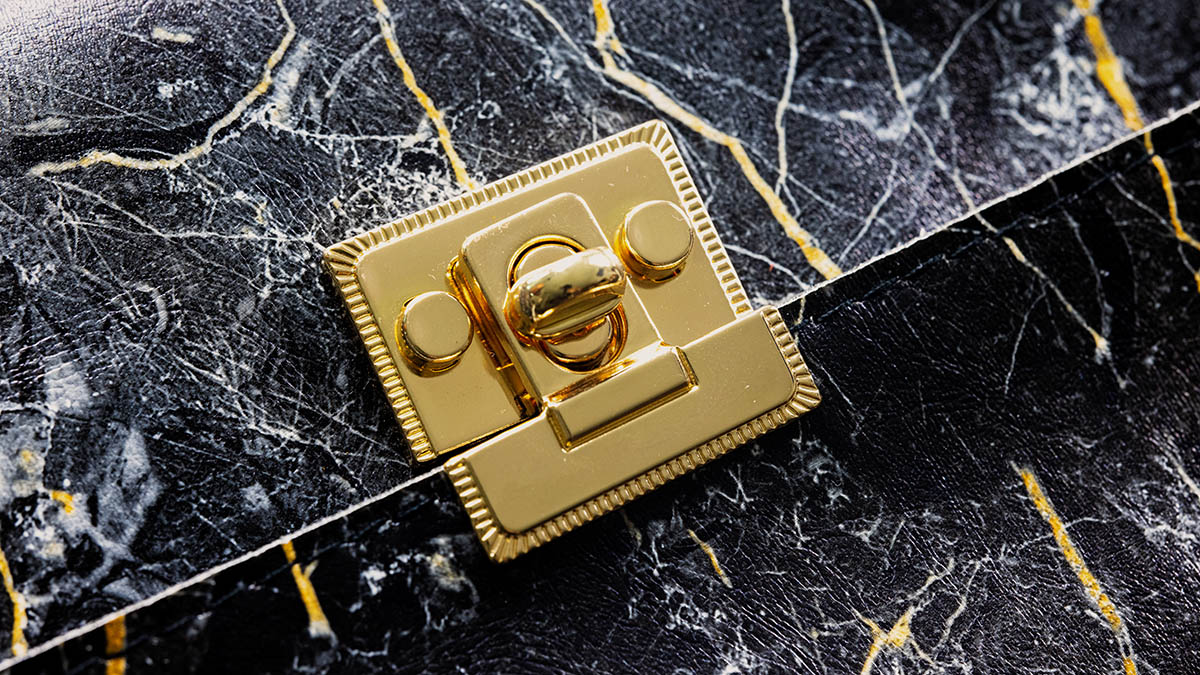
What Sellier and Retourne Actually Mean at the Leather-Science Level
The terms sellier and retourne describe not just a visual style but a fundamentally different relationship between the leather panels and the bag's internal structure. Grasping this relationship is the key to understanding why every downstream behaviour — patina, corner wear, scratch visibility, finish durability — differs between the two constructions.
In sellier construction, the leather panels are assembled grain-face outward, with the saddle stitch seams running along the exterior edge of each panel. The seam allowances — the narrow strips of leather folded over at each join — face outward and are visible as the raised, stitched ridges that define the sellier's architectural profile. The interior chassis is then inserted and the assembly tensioned to the precise flat-panel geometry that characterises the sellier silhouette. This means the leather panels are held under consistent lateral tension by the rigid interior frame, with their grain faces exposed on both sides to light, contact, and environmental conditions.
In retourne construction, the assembly sequence is reversed: the panels are stitched inside-out, with the grain faces facing inward and the seam allowances on the outside. The assembled bag is then literally turned right-side-out through its opening — the "retourne" (French: turned) process that gives the construction its name. This turning folds the seam allowances to the interior, producing a smooth exterior with no raised stitch line. The leather panels in a retourne bag are not held under the same consistent lateral tension as sellier panels — they sit more freely against the interior structure, with greater capacity to flex, breathe, and respond to the mechanical inputs of carry.
For the full structural context of how Kelly construction variants compare against the Birkin's open-top architecture, see our piece on the Sellier vs Retourne hub, which covers size-by-size construction considerations across the Kelly range.
Sellier
Panels assembled grain-out, seams exterior. Rigid chassis holds leather under consistent lateral tension. Architectural, flat-panel silhouette.
Retourne
Panels stitched inside-out, then turned. Seams folded to interior. Softer, rounded silhouette with panels freer to flex naturally.
"The sellier doesn't just look more structured. It holds its leather under a different mechanical condition — one that changes everything about how that leather ages."
Sellier Construction: How Lateral Tension and Seam Exposure Shape Long-Term Leather Behaviour
The lateral tension that the sellier's rigid interior chassis places on the leather panels is the central mechanical fact of sellier construction, and it has consequences that run across every aspect of the leather's long-term behaviour. When a leather panel is held under consistent tension — stretched, in effect, across the interior frame — its fibril network is placed in a state of sustained mild elongation. The fibrils cannot relax into their natural resting orientation, and this has two primary effects on leather behaviour over time.
First, it slows patina development on the flat body panels. The fibril network in a tensioned leather panel has reduced capacity for the oil-absorption cycles that drive patina in free-hanging leather. Skin oils, conditioning products, and environmental lipids penetrate the tensioned surface less readily than they would the same leather in a relaxed state. This means a sellier Kelly's body panels will develop a slower, more restrained patina compared to the same leather in a retourne construction — and the patina that does develop will be concentrated at the stress-release points: the flap fold, the handle attachment zones, and the exposed seam edges where tension is locally relieved.
- Flat body panels (front and back faces) — slowest patina zone on any sellier Kelly; tension reduces fibril oil-absorption rate; panels can appear almost unchanged for several years in stiffer leathers
- Flap fold line — highest patina concentration zone; the flap is not under chassis tension and receives the most frequent mechanical flex of any panel on the bag
- Exposed seam edges — the raised saddle-stitched ridges at the panel joins are both the most visually distinctive sellier feature and the most vulnerable surface zone; edge glazing wear and corner chipping originate here
- Handle attachment zones — high patina rate matching retourne; handles are not under body-panel tension and receive maximum skin-oil and heat input
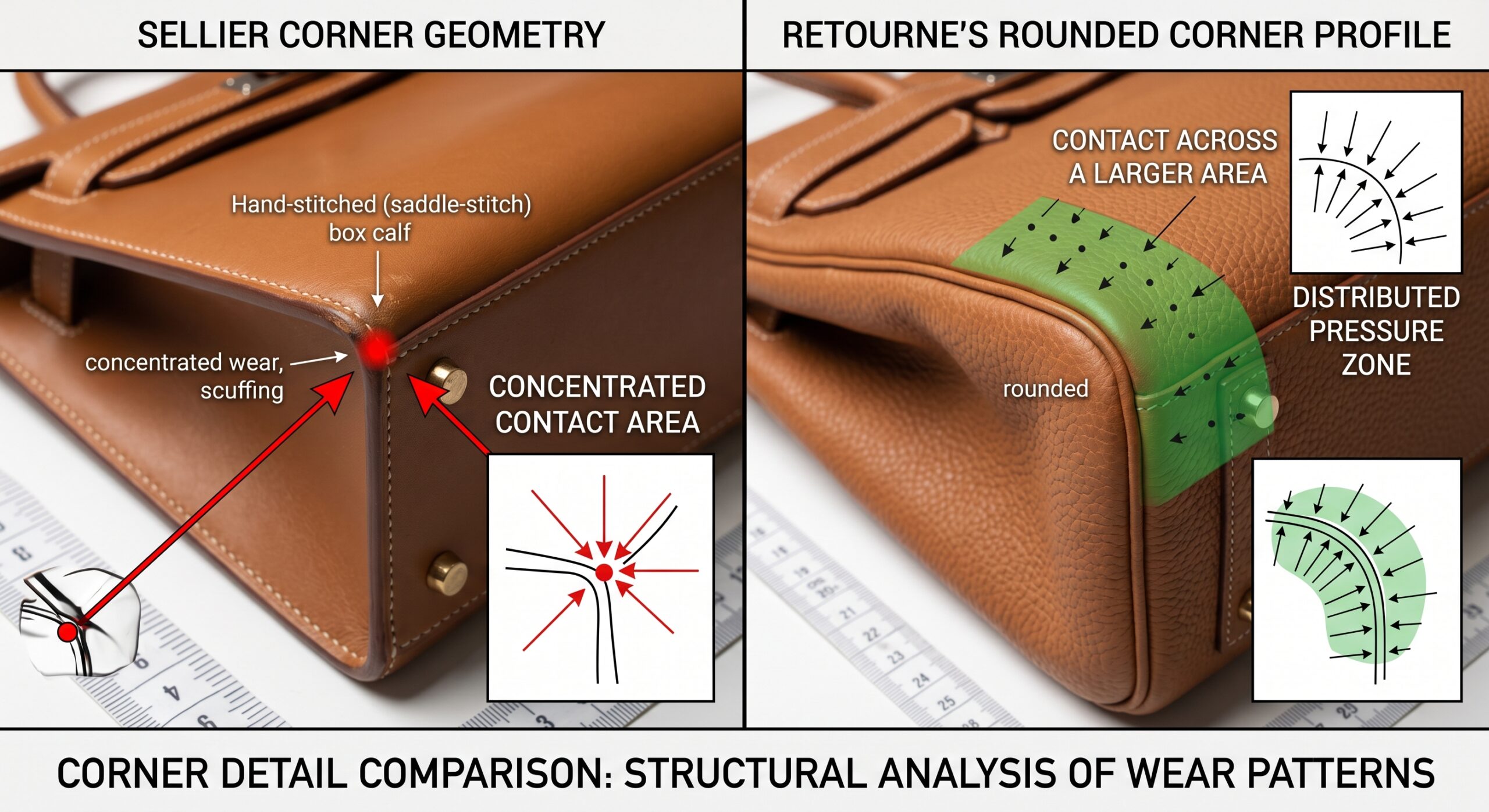
- Corner geometry — the sellier's sharp corner profile is structurally derived from the rigid chassis tension; it is also the first zone to show wear in hard-finished leathers like Epsom and Box Calf, which chip rather than round at the corner point
The exterior seam exposure is the other defining characteristic of sellier construction from a wear perspective. The raised saddle-stitch ridge at each panel join sits proud of the bag's surface — it contacts tables, chair backs, and other surfaces during normal use, accumulating edge abrasion that is clearly visible against the clean flat panel face. In vegetable-tanned leathers like Barenia, this abrasion actually polishes the exposed seam to a beautiful burnished depth over time — a patina-in-miniature on the seam edge that contrasts beautifully with the lighter body panel. In Epsom or Box Calf, the edge abrasion is less desirable: the compressed finish chips or dulls rather than burnishing, and the contrast is one of damage rather than character.
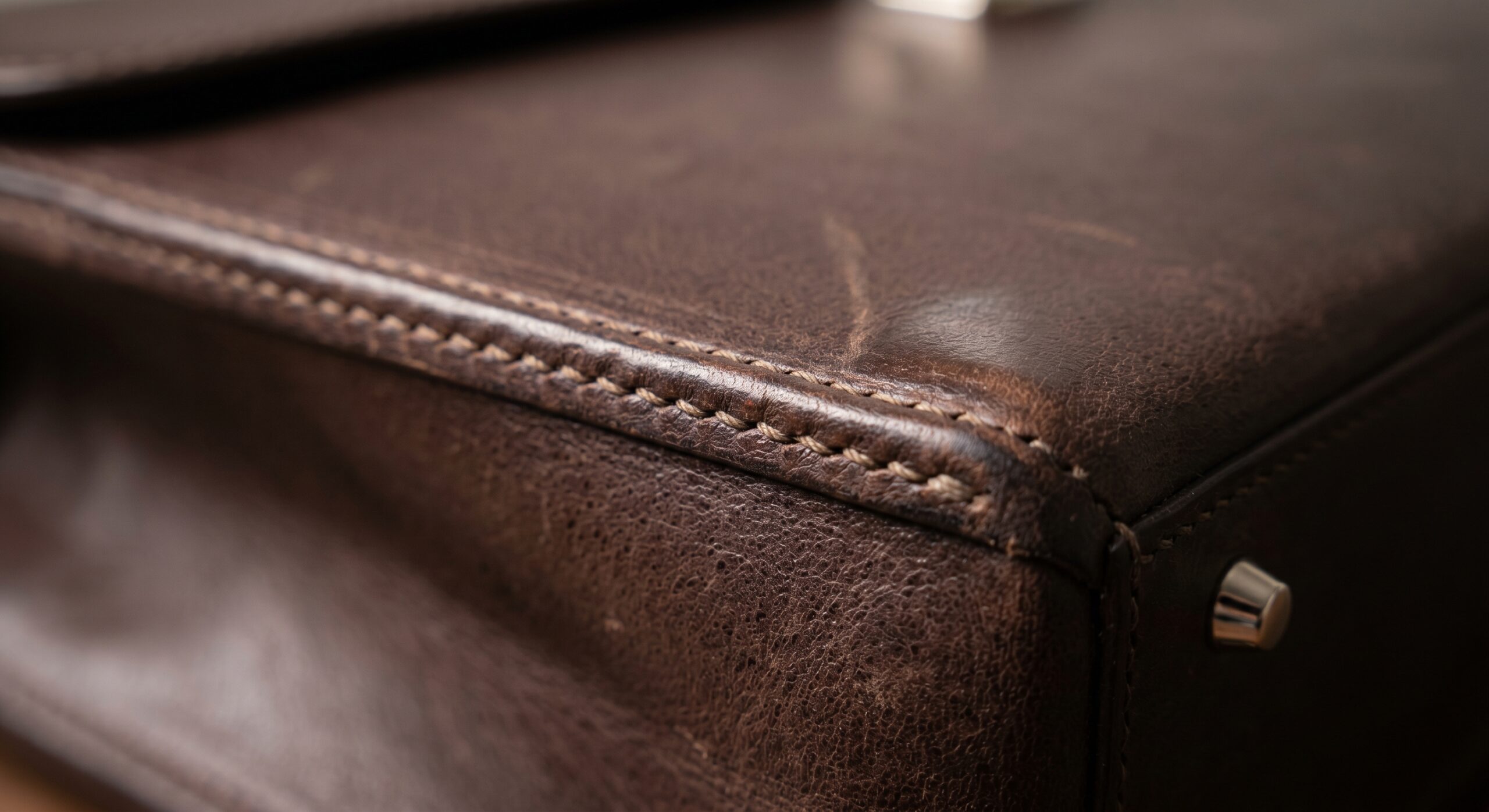
Retourne Construction: Fibril Freedom, Distributed Patina, and the Art of Graceful Softening
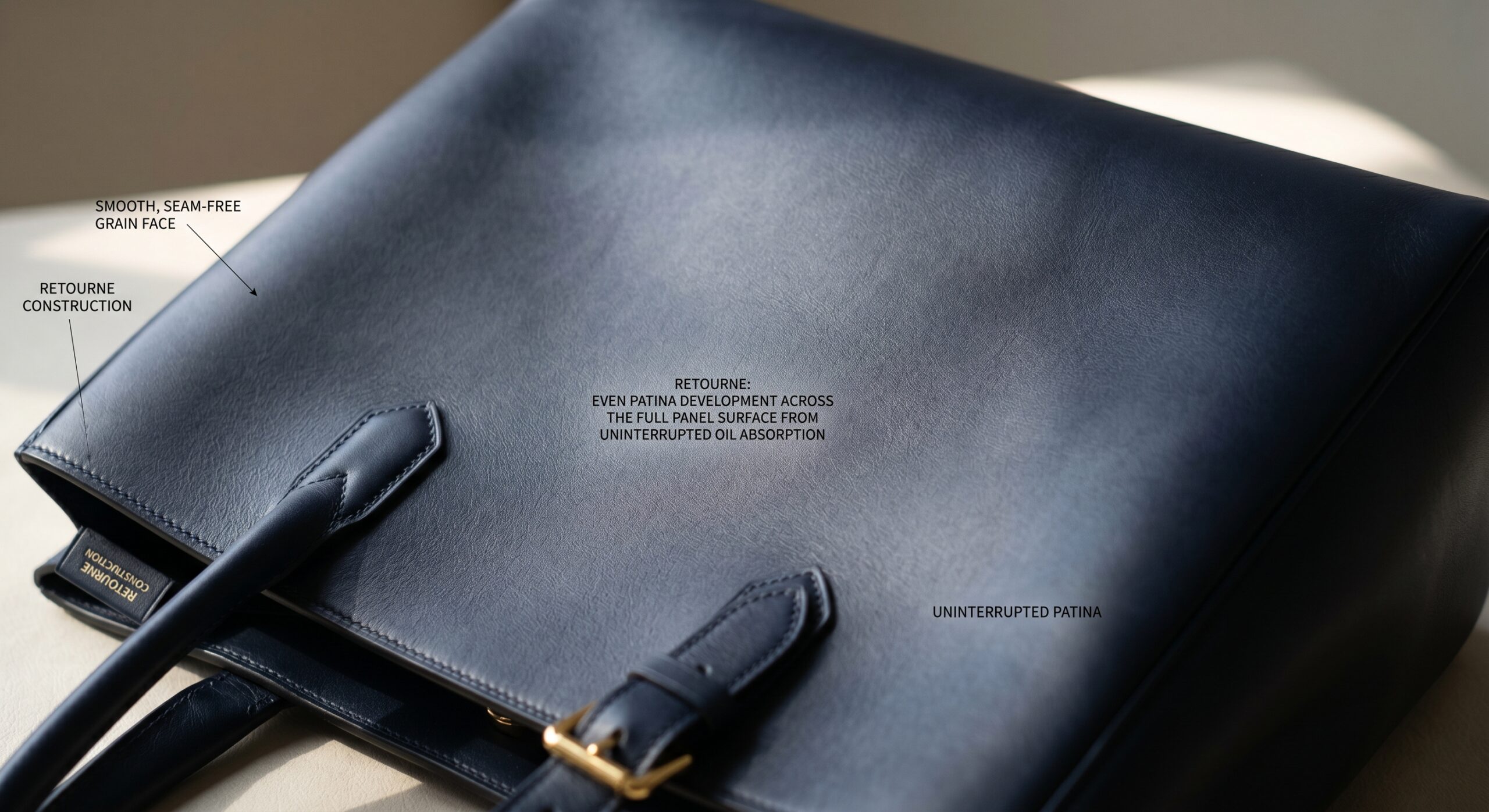
The retourne Kelly's defining material characteristic is the relative freedom of its leather panels. With seams folded to the interior and no rigid chassis holding the grain face under lateral tension, the retourne's body leather can flex, breathe, and respond to the inputs of carry in a way that sellier panels structurally cannot. This freedom has profound consequences for how the bag ages — and why retourne is the construction of choice for buyers who want their Kelly to develop a rich, personal patina over time.
In a retourne Kelly, each carry cycle subjects the body panels to a small degree of flexion as the bag moves with the owner's stride and responds to the weight of its contents. This cyclic flexion repeatedly opens and partially closes the fibril network's interstitial spaces — creating micro-pump action that draws oils and environmental lipids more deeply and more evenly into the fibril layer than static, tensioned panels experience. The result is a patina that develops across the full panel face rather than concentrating at stress points, producing the overall tonal deepening that makes a well-used retourne Kelly look authentically aged rather than selectively worn.
The Turning Process and What It Does to the Leather's Grain Face
The retourne assembly requires the stitched bag to be physically turned inside-out through its open top — a process that imposes a sharp, temporary reverse-bend on the leather panels at the point of maximum flex during turning. This turning stress is not damaging to the leather because it occurs once, briefly, and the leather returns to its natural orientation immediately afterward. However, it does leave a microscopic trace in the fibril network at the panel edges: a very slight loosening of the fibril structure at the seam fold points that actually facilitates more even oil absorption at these zones during early ownership. Experienced craftspeople at Hermès manage the turning angle precisely to avoid overstressing the fibril network at the corners during this process.
Corner behaviour is the other area where retourne construction shows a meaningful advantage over sellier in terms of long-term wear management. Where the sellier's sharp exterior corner geometry creates a geometric point vulnerable to chipping in hard-finish leathers, the retourne corner is produced by the interior seam fold — a naturally rounded profile that distributes contact pressure over a slightly larger area. Minor corner wear on a retourne Kelly manifests as a gradual rounding and slight surface dulling rather than the clean-edged chip that sharp sellier corners can produce. This makes retourne corners both more durable under incidental impact and significantly more manageable when conditioning and care are applied.
For buyers considering a supple leather — Clemence, Barenia, or a softer Togo — for their Kelly, retourne is the construction that accommodates these tempers most naturally. The absence of rigid chassis tension means the leather's natural suppleness can express itself through the body of the bag without working against the structural geometry. A Barenia retourne Kelly, for example, develops one of the most desirable patina profiles in the entire Hermès catalogue: the vegetable-tanned fibril network absorbs oils evenly across the untensioned panel face, the pellicule forms with consistent coverage, and the overall bag develops a warmth and luminosity that the same leather in sellier construction cannot produce at the same rate. See the full durability comparison at Hermès Kelly vs Birkin: Which Bag Construction Is More Durable.
Matching Construction to Leather, Lifestyle, and Long-Term Ownership Goals
The sellier vs retourne decision is not a matter of one construction being superior — it is a matter of which construction is the correct specification for a given leather, carry style, and aesthetic goal. Three factors determine the right choice: the leather's temper, the owner's carry intensity, and the desired patina trajectory over the long term.
For leather temper: sellier rewards firm, structured leathers — Epsom, Box Calf, and Togo in its firmer expressions. These leathers have the fibril density and finish hardness to thrive under chassis tension, maintain clean corner geometry, and resist the edge abrasion that exposed seams accumulate. They do not require the fibril freedom of retourne to develop their surface character, because their patina mechanisms are surface-dominant rather than fibril-deep. Retourne rewards the full spectrum from firm to supple, but it is the natural home for softer tempers — Clemence, Barenia, Swift — whose fibril networks benefit from the flexion freedom that retourne allows.
For carry intensity: sellier is the more resilient construction for buyers who carry lightly and carefully — the exposed seams reward careful handling and develop a beautiful character when not subjected to constant surface contact. Retourne is the more forgiving construction for active daily carry, because its interior seams are protected and its rounded corner profile absorbs incidental contact without the chipping risk of sellier's sharp geometry. For a full comparison of how both Kelly constructions stand against the Birkin's open-top architecture in terms of raw durability, see Which Hermès Birkin Leather Wears Best Over 10 Years.
For patina trajectory: buyers who want a bag that transforms dramatically over time — developing deep, distributed patina across the full panel surface — should choose retourne. Buyers who prefer a bag that maintains its factory precision longer, developing character at specific zones rather than across the whole surface, should choose sellier. Neither trajectory is superior; both are legitimate aesthetic strategies that the construction method reliably delivers. Browse the full construction and leather science context in the All Topics category.
| Leather Behaviour Factor | Sellier Kelly | Retourne Kelly |
|---|---|---|
| Panel tension state | Consistent lateral tension from rigid chassis — fibrils elongated | Relaxed — panels free to flex; fibrils in natural resting state |
| Patina distribution | Concentrated at flap fold, handle zones, and exposed seam edges | Distributed across full panel surface — even, organic coverage |
| Patina rate on body panels | Slower — lateral tension reduces fibril oil-absorption rate | Faster — carry flexion creates micro-pump action in fibril network |
| Seam exposure | Exterior — raised saddle-stitch ridge visible and subject to surface contact | Interior — seam allowances protected from surface contact |
| Corner wear profile | Sharp geometric point — chips in hard-finish leathers (Epsom, Box Calf) | Rounded profile — gradual dulling rather than chipping; more forgiving |
| Leather temper requirement | Firm preferred — Epsom, Box Calf, Togo work best | Accommodates full spectrum — optimal for supple leathers (Clemence, Barenia) |
| Artisan time | 6–8 additional hours — exterior seam demands greater precision | Standard production time — interior seam allows slightly more working tolerance |
| Silhouette over time | Maintains rigid, flat-panel geometry for longer — chassis enforces shape | Develops soft, rounded character over years — panels follow leather's natural compliance |
| Best carry profile | Careful carry; low surface-contact environments; precise aesthetic priority | Active daily carry; forgiving of incidental contact; patina-development priority |
Sellier and Retourne Are Not Aesthetic Choices — They Are Leather-Science Specifications. Match the Construction to Your Leather and Your Life.
The sellier vs retourne decision determines not just how your Kelly looks on day one but how its leather will age over the next decade. Sellier's lateral chassis tension produces slower, zone-concentrated patina and a long-maintained geometric precision that rewards careful ownership and firm-tempered leathers. Retourne's fibril freedom produces faster, distributed patina and a graceful, rounded softening that rewards active carry and accommodates the full range of leather tempers.
There is no universally superior construction. A Epsom sellier Kelly in a deep colour, maintained with discipline, will be a more precise and architecturally commanding object at Year 10 than its retourne equivalent. A Barenia retourne Kelly, carried daily and conditioned consistently, will have developed a richer, more personal patina at Year 3 than any sellier piece can produce at the same point. The correct choice is the one whose leather behaviour trajectory matches what you want to live with.
Bottom Line: Choose sellier for geometric precision, firm-tempered leathers, and zone-concentrated patina; choose retourne for active carry, supple leathers, and a full-panel patina that transforms the bag into something entirely personal over time.
Popular Searches
Explore our most searched sellier and retourne Kelly combinations
The canonical sellier specification — Epsom's firm temper under chassis tension and precise cross-hatch grain maintain architectural perfection across decades of careful carry.
⬆ TrendingTogo's pebbled grain develops its richest distributed patina in the retourne's untensioned panels — the warm amber deepening across the full face over years of active carry.
★ Collector FavouriteThe most coveted patina combination in the Kelly range — Barenia's vegetable-tanned fibrils develop their pellicule most beautifully in the retourne's flexing, untensioned panel environment.
◆ Ultra RareBox Calf's mirror-bright compression finish under sellier tension produces the most visually definitive Kelly ever made — requiring exceptional carry discipline to preserve its surface perfection.
⬆ Rising DemandSwift's semi-matte surface under sellier tension shows the construction's precise stitch geometry at its cleanest — the compact 25 format amplifies the architectural effect.
🔥 Most SearchedClemence's supple temper finds its ideal construction partner in retourne — the leather's natural compliance develops into a characterful drape that the sellier's chassis would actively suppress.
Frequently Asked Questions
The sellier Kelly is stitched with the seams on the outside, grain face outward, producing a rigid, architectural silhouette with exposed saddle-stitched edges. The retourne Kelly is stitched inside-out, then turned right side out — a process that folds the seam allowances to the interior, producing a softer, rounded silhouette with no exposed seam edges. The construction method changes not just the appearance but the entire leather behaviour: sellier panels are held under consistent lateral tension by the rigid interior chassis, while retourne panels are freer to flex, breathe, and respond to oils and UV. For the full construction reference see the Sellier vs Retourne Guide.
Both constructions are exceptionally durable, but their vulnerability profiles differ. Sellier's exterior seams and sharp corner geometry make corner chipping and edge glazing wear the primary long-term maintenance concerns, particularly in stiffer leathers like Epsom or Box Calf. Retourne's interior seams are protected, and the softer silhouette means the body leather absorbs more structural load during carry, producing gradual softening over years. For daily active carry, retourne is generally the more forgiving construction. See our Kelly and Birkin durability comparison at Hermès Kelly vs Birkin: Which Bag Construction Is More Durable.
Leather choice is more consequential for the sellier construction than for retourne. The sellier's rigid chassis and exterior seam exposure place specific demands on the leather: it must have sufficient temper to hold flat panel geometry, sufficient finish hardness to survive exposed edge contact, and sufficient fibril density to resist lateral chassis tension. Epsom, Box Calf, and Togo work well in sellier; Clemence, with its softer temper and looser fibril structure, is less ideal. Retourne accommodates a wider range of leather tempers. For full leather type profiles see the Leathers & Materials Guide.
Yes, significantly. On a sellier Kelly, the body panels are held under consistent tension by the rigid interior frame, which reduces their exposure to the flexion and oil-absorption cycles that accelerate patina in free-hanging leather. Patina on a sellier piece develops primarily at the flap fold line, the handle attachment zones, and the corners. On a retourne Kelly, the softer construction allows the body leather to flex more naturally during carry, opening the fibril network more regularly to oil absorption and producing a more even, distributed patina across the full panel surface. Browse all construction and leather context in the All Topics category.
